

Close-up of a person from behind, gently rubbing their neck and shoulder area with one hand.

Spondylolisthesis Explained: Why Your Vertebra Is Slipping and What Helps

Key Takeaways / Summary: Spondylolisthesis occurs when a vertebra slips forward out of alignment due to age-related wear, congenital traits, or trauma, causing back pain and compressed spinal nerves. Symptoms range from localized discomfort or intense radiating leg pain. Management ranges from non-surgical remedies like physical therapy and...

Read More
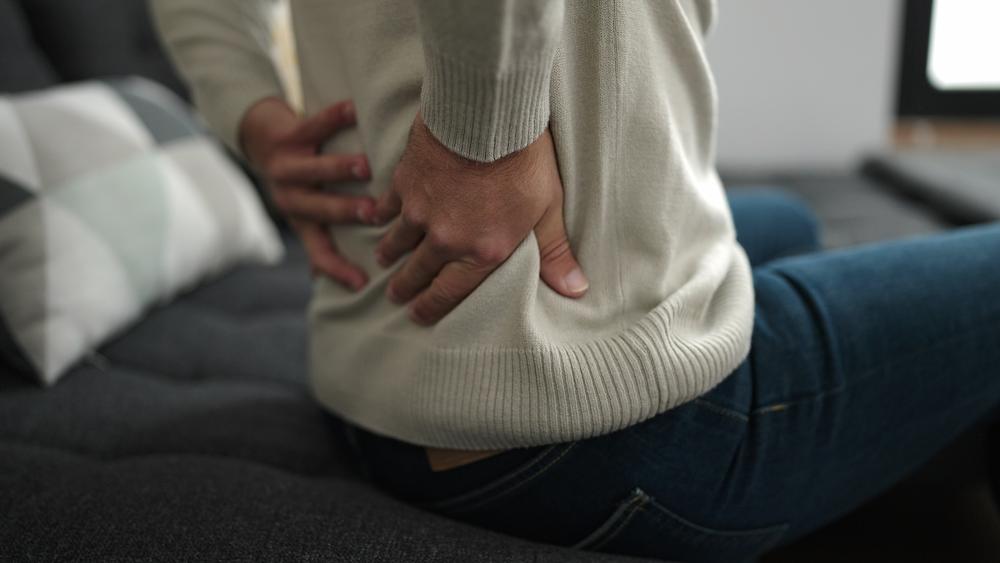
Person sitting on a dark sofa, pressing both hands firmly against their lower back in pain.

Degenerative Disc Disease: Is It Normal Aging or Something More?

Key Takeaways / Summary: Age-related spinal disc breakdown is common and often symptom-free, but it becomes degenerative disc disease when it causes persistent pain, stiffness, or nerve irritation. Warning signs that require a spine specialist evaluation include radiating pain, numbness, tingling, muscle weakness, or discomfort triggered by...

Read More
Doctor pointing at the neck area of a spine model while talking to an older female patient in a clinic.

Cervical Myelopathy: The Neck Condition Often Mistaken for Aging or Arthritis

Cervical myelopathy develops when pressure on the spinal cord in the neck begins to affect movement, coordination, or sensation. Early warning signs can resemble normal aging, including hand clumsiness, balance problems, and difficulty walking. Because the condition can progress, new or worsening symptoms deserve evaluation by a...

Read More
Doctor in a white coat examining the lower back of a seated female patient in a bright clinic room.

Foot Drop After a Back Injury: Is It a Spine Problem?

Foot drop can develop when a nerve in the lower back becomes compressed or injured. Lumbar disc herniation and spinal stenosis are two spinal conditions that may cause weakness when lifting the front of the foot. New or worsening foot weakness should be evaluated promptly, especially after...

Read More
Skip to content